Review · TOURS
Small Group Balkans Tour; Belgrade to Athens or Corfu in 14 Days
Seven countries, one remarkable road trip. This 14-day journey links Belgrade, Sarajevo, Mostar, Kotor, Albania, Kosovo, North Macedonia, and Greece in one carefully packed route. I like the chance to see major landmarks such as Stari Most, Lake Ohrid, Berat, Meteora, and the fortress of Prizren without arranging every border crossing yourself. I also like the small maximum group of 10, which should make hotel pickups, sightseeing, and meals easier to manage.
The main consideration is pace. You cover a great deal of ground, and several days combine long drives with walking tours. The $4,833.96 price is substantial, though it includes 3-star lodging, 13 breakfasts, private transport, fuel, road costs, tourist taxes, listed entry tickets, and either an Athens hotel drop-off or ferry tickets to Corfu. You should still budget separately for most lunches, dinners, drinks, snacks, and personal spending.
In This Review
- Key Details Before You Book
- Why This Route Works So Well
- Belgrade to Sarajevo: A Strong First Day
- Sarajevo and Mostar: War Memory, Faith, and Stari Most
- Kotor, Budva, and Shkoder Along the Adriatic
- Kosovo: Prizren, Gjakova, and a Different Pace
- Kruja and Tirana: Albania’s Past and Present
- Ohrid and St. Naum: Water, Faith, and Time
- Berat, Gjirokaster, and the Road Into Greece
- Price, Comfort, and What You Still Pay
- Who Should Book This Balkan Tour?
- FAQ
- How long is the tour?
- Which countries does the tour visit?
- What accommodation is included?
- Is transportation included?
- Are meals included?
- How many people can join the tour?
- My Final Take
Key Details Before You Book
- Fourteen days across seven countries: Serbia, Bosnia and Herzegovina, Montenegro, Albania, Kosovo, North Macedonia, and Greece are all included.
- A maximum of 10 people: This is small enough for a more personal road-trip feel, rather than a large coach tour.
- Start in Belgrade at 8:00 a.m.: Hotel pickup is included, but you should be ready for a full first day.
- Three-star hotels with breakfast: Room pricing is based on double, twin, triple, or quadruple occupancy.
- Two final options: Finish with a hotel drop-off in Athens, or continue to Igoumenitsa Port with ferry tickets to Corfu included.
- Strong guide reports: Guides named Eri Veseli, Bledi, and Sokol received especially warm praise for care, local insight, and flexibility.
Why This Route Works So Well
The Balkans reward a multi-country route. Borders can be close on a map but slow in practice, roads cross mountains, and public transport between smaller historic towns is not always simple. Having one company handle the vehicle, fuel, road taxes, hotel transfers, and border-to-border planning gives you more time to focus on the places themselves.
This route also avoids treating the Balkans as one blur of old towns and mountain views. You get Ottoman Sarajevo, Austro-Hungarian Sarajevo, Orthodox monasteries, Albanian communist history, Roman and Illyrian connections, Greek castles, and major religious sites. Each stop adds a different piece to the story.
I especially like the balance between famous places and smaller stops. Mostar and Meteora are major draws, but Zvornik, Rahovec, Tushemisht, Gjakova, and Drilon give the trip a more local rhythm. You are not simply collecting capital cities.
Still, this is not a relaxed stay-put holiday. You change setting often, and some sightseeing blocks are short. If you prefer several free days in each city, this tour will feel hurried. If you want a broad first look, it makes a lot of sense.
Other trips worth a look in Belgrade:
- Northern Serbia: Sremski Karlovci and Novi Sad Full-Day Tour from Belgrade
★ 5.0 · 425 reviews - Day Trip from Belgrade: Gems of Eastern Serbia
★ 5.0 · 424 reviews - Belgrade Nightlife Bar Pub Club Crawl with Drinks
★ 5.0 · 277 reviews
Belgrade to Sarajevo: A Strong First Day
Your tour leader picks you up at your Belgrade hotel at 8:00 a.m. The day begins at Belgrade Fortress and Kalemegdan Park, set above the meeting point of the Sava and Danube rivers. The Pobednik monument offers a useful introduction to the city, while the park provides open paths and a break from the stone fortifications.
The walk continues along Knez Mihailova, Belgrade’s main pedestrian social street, toward Republic Square. This is a good first morning because it gives you both the city’s old defensive core and its everyday urban center.
You then head toward Bosnia and Herzegovina, stopping in Zvornik for about an hour. The town sits along the Drina River and is used mainly as a lunch and walking break. Do not expect a long guided visit here. Its value is the pause between major cities and the chance to try local food.
Sarajevo follows in the afternoon. The opening day includes a lot of driving, so you may arrive with just enough energy to settle in and perhaps walk nearby. That is the tradeoff for beginning in Serbia and reaching Bosnia quickly.
Sarajevo and Mostar: War Memory, Faith, and Stari Most
Day two gives Sarajevo the attention it deserves. The walking route covers the city’s Ottoman and Austria-Hungarian quarters, with mosques, churches, synagogues, markets, and bazaars close together. The nickname European Jerusalem makes sense here, but the real value is seeing how several traditions occupy the same compact center.
You will also encounter reminders of the 1990s war, including bullet holes and cannon marks. This part of the visit needs attention and respect. Sarajevo is not only a pretty old town. Its recent past remains visible on ordinary streets, and the tour’s focus on that past adds weight to the architecture.
At Latin Bridge, you hear how the assassination of Archduke Franz Ferdinand helped trigger World War I. The bridge itself is modest, but its place in European history is enormous. Leave room for Sarajevo’s food, too. Meat dishes and desserts are specifically part of the experience, though meals are not included in the tour price.
Later, the road leads to Mostar. Stari Most, the 16th-century Ottoman bridge, is the obvious highlight. The surrounding old city brings the scene to life with cobbled lanes, Turkish bazaars, old mosques, and the recurring reminder Don’t Forget, a phrase tied to Mostar’s wartime destruction and rebuilding.
The listed sightseeing time is about an hour at each Mostar stop. That is enough for the key sights, but not for a slow museum visit or a long browse through every lane. Keep your camera ready, but do not let the famous bridge crowd out the rest of the old town.
Kotor, Budva, and Shkoder Along the Adriatic
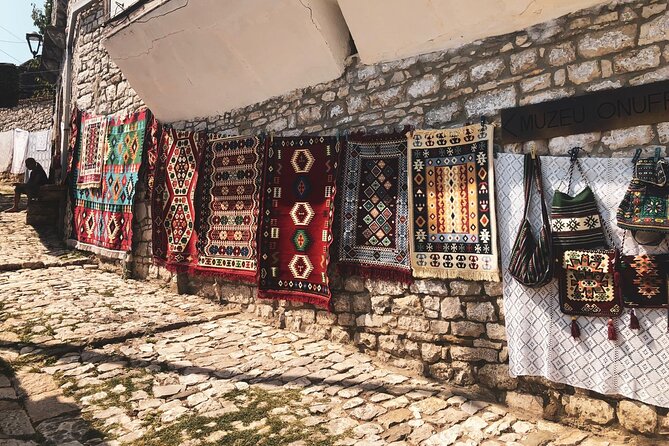
Kotor offers a change of mood. Its UNESCO-listed old town is a maze of narrow cobbled streets, shaped in part to confuse raiders. Small plaques on old buildings explain their former uses and construction dates, and St. Luke’s Church is included for its meaning as a symbol of local unity.
You get about two hours in Kotor plus an afternoon to explore independently. That free time matters. Kotor is best enjoyed by wandering without a rigid checklist, though the uneven stone streets call for sensible shoes.
The following day begins in Budva, Montenegro’s popular coastal resort. The old town contains St. Ivan Church, St. Mary’s Church, and medieval buildings, while the newer section has modern hotels, shops, bars, and restaurants. The one-hour visit focuses on the historic center, so do not expect a beach day.
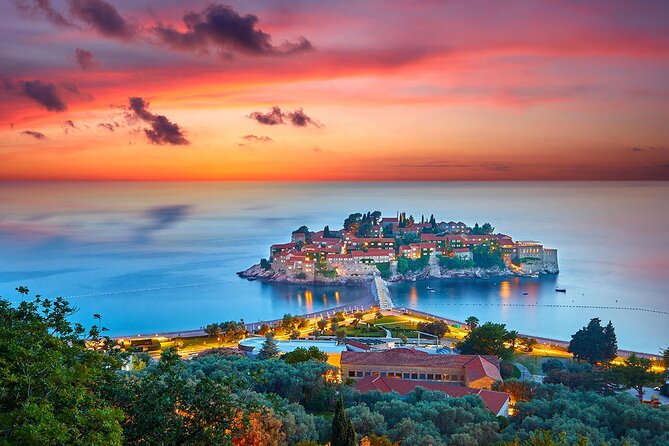
A viewpoint near Sveti Stefan provides one of the trip’s classic photographs. The former fishing settlement now operates as an exclusive residential resort, and the island cannot be visited on this route. That is worth knowing before you arrive. You are stopping for the view, not entering the resort.
After crossing into Albania, Shkoder brings another layer of history. Rozafa Castle sits above the city and offers broad views toward the lake and the rivers flowing toward the Adriatic. The city’s architecture shows Venetian influence, and handmade Venetian masks are produced locally. If your trip falls in February, the Shkoder carnival may add another cultural event.
A completely different kind of day:
- Taxi to/from Belgrade Airport to/from Belgrade City Center
★ 5.0 · 241 reviews - Belgrade Big Tour: Top Attractions and Belgrade Neighborhoods
★ 5.0 · 232 reviews - Along the Danube: Golubac Fortress & Iron Gate Gorge day trip from Belgrade
★ 4.5 · 185 reviews - From Belgrade: Golubac Fortress & Iron Gate Danube Gorge
★ 4.8 · 185 reviews
Kosovo: Prizren, Gjakova, and a Different Pace

Mrizi i Zanave is one of the more unusual stops. This farm-based restaurant and food project uses regional products, preserves local produce, and adapted former communist buildings for storage. The farm has also created jobs for more than 400 people in nearby communities.
You get time for a farm visit, lunch, or shopping for fresh products. Lunch is extra, but this is one place where paying for a meal can be part of the point. It connects food, rural work, and local business in a way a standard restaurant stop cannot.
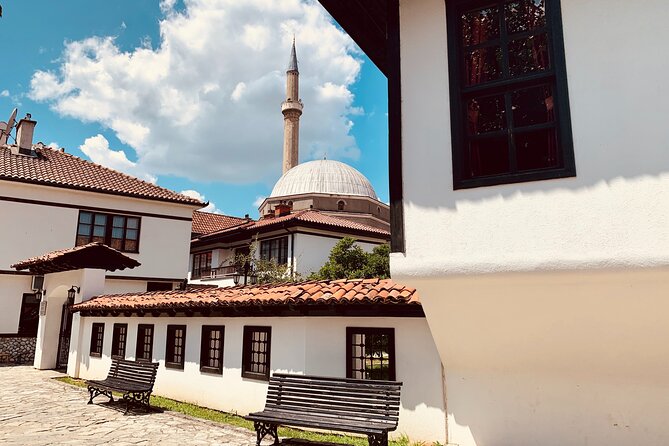
Prizren is one of the route’s most appealing towns. Its river, bridges, Ottoman buildings, religious sites, and mountain setting make it easy to explore on foot. Sinan Pasha Mosque is included, with its colorful interior patterns, and Kalaja Fortress provides a fine view across the town.
The next day includes Gjakova’s old bazaar, rebuilt after destruction during several wars. Shops sell traditional crafts, and you have time for food or browsing. At the Decan Monastery, Orthodox monks still live on the grounds and produce organic food such as cheese. The monastery’s frescoes earned UNESCO recognition in 2004, making this more than a quick photo stop.
Rahovec adds wine country to the route. Grapes have been grown here since Illyrian times, and vineyards cover low hills between roughly 350 and 520 meters. A September wine festival is held annually, but the tour does not promise festival dates or wine tasting, so treat this as a regional introduction rather than a dedicated wine tour.
Kruja and Tirana: Albania’s Past and Present
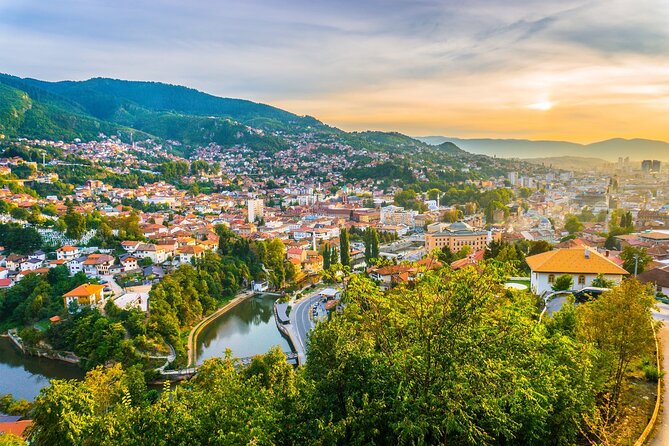
Kruja rises on rocky ground near Sarisalltik Mountain. Its medieval bazaar is one of the best places on the route for handmade Albanian souvenirs, including carpets and jewelry. The narrow wooden streets feel more historic than polished, which is part of their appeal.
Kruja Castle adds the story of Albanian resistance to Ottoman expansion. The tour leader points out hidden paths once used to leave the castle quietly during attacks. The castle visit is brief in the schedule, so you should focus on the main story and views rather than expecting a long archaeological visit.
Tirana is handled through food and neighborhood life. You start with byrek, a filled pastry made with options such as cheese, meat, or spinach. At Çam Bazaar, you can bargain for everyday goods, then continue through local streets, produce stalls, pastry shops, and cafes.
The food-focused route includes a traditional dessert, Albanian coffee, qofte with bread, and gjize with bread for vegetarians. Raki is also included in the tasting. These are small encounters, but they help you understand daily habits better than a string of monuments would.
BUNK’ART 2 gives the capital a serious final note. The former nuclear bunker was hidden from the public until 2014 and is now a museum about Albania’s communist army and ordinary life under Enver Hoxha’s regime. This is one of the most useful stops for understanding why modern Albania looks and feels as it does.
The published times for several Tirana stops are shown as one minute, which is clearly too short for the food route and museum visit. Treat the schedule as approximate and ask the operator for the actual day plan.
Ohrid and St. Naum: Water, Faith, and Time
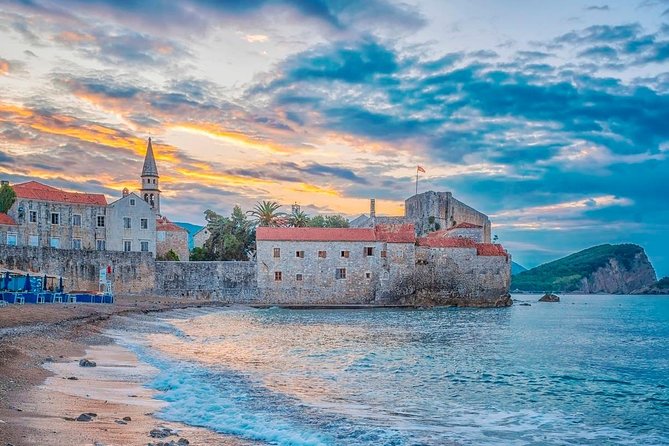
North Macedonia begins at Struga, where you stop for a drink near the source of the Drini River. The break is short, but the water setting gives you a calm transition after Albania’s cities and mountain roads.
Ohrid is one of the trip’s major highlights. The city and lake have UNESCO status, and the area has connections to ancient Illyrian communities and the Roman name Lyhnidas, meaning the Light Lake. The visit includes viewpoints and religious sites such as St. John, St. Nicholas, and Halveti Hayati Tekke.
Ohrid is also known for its Orthodox importance and its many churches. Two hours will cover the main introduction, but you will need the free time wisely if you want more than a quick look.
St. Naum Monastery sits beside the source of the Crni Drim River, within Galicica National Park. The clear springs, trees, and mountain backdrop make this one of the trip’s most peaceful stops. The monastery entry is included, and the setting gives you a welcome pause from urban sightseeing.
After crossing into Albania, Tushemisht provides another small lakeside stop. Drilon National Park follows, with springs feeding a small lake surrounded by greenery and weeping willows. These places are not major headline attractions, but they help break up the drive to Berat.
Berat, Gjirokaster, and the Road Into Greece
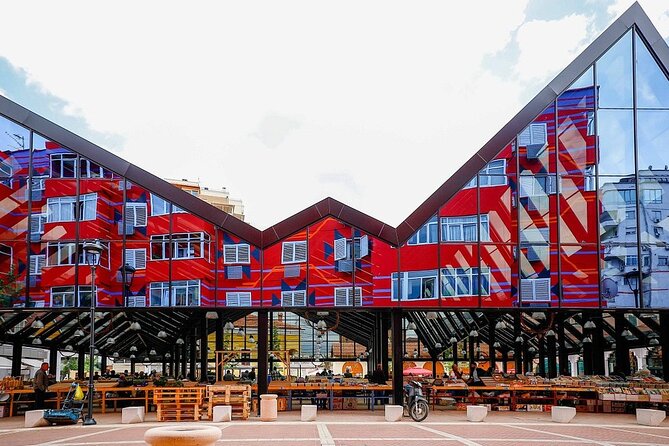
Berat is known for its 1001 windows, the old houses climbing the hills in tight rows. The castle is unusual because people still live inside its walls, giving the site a sense of daily life rather than leaving it as an empty monument.
The Onufri Iconographic Museum is included. It honors the church painter known for a distinctive reddish color, and the collection adds art to the city’s Ottoman, Orthodox, and medieval setting. Gorica Bridge and the Gorica neighborhood complete the visit.
Gjirokaster, the Stone City, brings another strong Albanian old town. Its houses feel like small fortresses, and the narrow stone streets lead toward a medieval bazaar filled with handmade crafts. The castle is the core attraction, though the listed time allows about two hours for the town and one hour for the bazaar.
The final full sightseeing day crosses into Greece at Ioannina. Its old town and Byzantine castle contain narrow lanes, historic buildings, cafes, and reminders of Ottoman rule. The pace here is gentler than in Tirana or Sarajevo, and the two-hour visit gives you enough time to understand the layout.
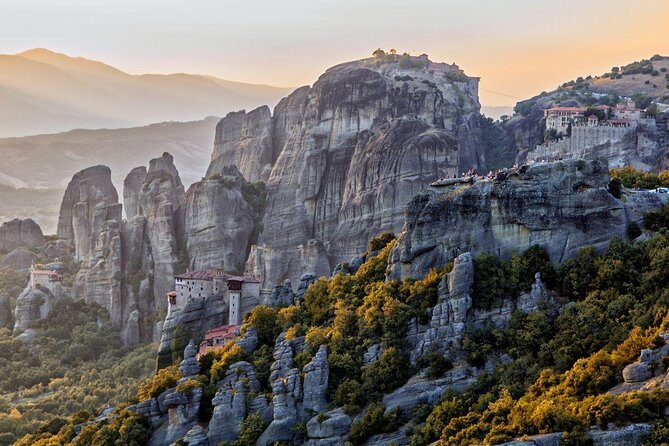
Meteora follows, with monasteries perched on dramatic rock formations. The visit is timed around sunset, which may be the most memorable visual moment of the trip. The schedule lists about an hour, so you are seeing the great setting and sunset rather than making an extended monastery study.
On day 14, you are dropped at your Athens hotel. If you choose Corfu instead, the tour ends at Igoumenitsa Port, with ferry tickets included. Confirm your onward arrangements carefully, since these are two different endings.
Price, Comfort, and What You Still Pay
At $4,833.96 per person, this is not a budget tour. Its value depends on how much you would otherwise spend arranging transport, hotels, border crossings, fuel, road charges, guides, and site tickets across seven countries.
The package includes 3-star accommodation, breakfast every morning, company transport, hotel pickup in Belgrade, tourist taxes, international car insurance, petrol, and road taxes. It also includes entry tickets for the listed paid sites and 13 breakfasts.
You pay separately for lunches, dinners, drinks, snacks, souvenirs, and personal purchases. The room rate assumes double, twin, triple, or quadruple occupancy, so solo pricing or single-room arrangements should be confirmed before booking.
The small group is a major part of the value. With no more than 10 people, the trip should feel more flexible than a large bus tour. Guides such as Eri Veseli, Bledi, and Sokol are praised for explaining history, checking on comfort, and adapting to individual needs. Tips are not required, but the company recommends tipping good service.
Who Should Book This Balkan Tour?
I would choose this tour if you want a first, broad look at the Balkans and do not want to manage seven national borders yourself. It suits people who enjoy history, old towns, religious buildings, food stops, scenic drives, and a full daily schedule.
It is also a good fit if you value a guide who can explain difficult recent history, from Sarajevo’s war scars to Albania’s communist period. The strongest parts are the mix of famous sights and smaller stops, plus the personal scale of a 10-person group.
I would hesitate if you want beach time in Montenegro, long museum visits, nightlife, or several unscheduled days. You should also be comfortable with uneven streets, early starts, repeated hotel changes, and long stretches in a vehicle.
The booking is non-refundable and cannot be changed after purchase, so travel insurance is especially sensible. You are responsible for arranging your own health and travel insurance.
FAQ
How long is the tour?
The tour lasts approximately 14 days, beginning in Belgrade and ending in Athens or at Igoumenitsa Port for a ferry to Corfu.
Which countries does the tour visit?
The route includes Serbia, Bosnia and Herzegovina, Montenegro, Albania, Kosovo, North Macedonia, and Greece.
What accommodation is included?
The price includes 3-star hotel accommodation with breakfast. Pricing is based on double, twin, triple, or quadruple room occupancy.
Is transportation included?
Yes. Company transport, petrol, road taxes, international car insurance, hotel pickup in Belgrade, and drop-off in Athens or Igoumenitsa are included.
Are meals included?
Thirteen breakfasts are included. Lunches, dinners, drinks, snacks, and personal spending are not included.
How many people can join the tour?
The maximum group size is 10 people. The daily meeting time is 8:00 a.m.
My Final Take
Book this tour if you want the Balkans in broad, vivid strokes, with the hard transport work handled for you. The route is ambitious, the sights are excellent, and the small group plus strong guide support help justify the price.
Skip it if you want a slow holiday. For an energetic first journey through this corner of Europe, though, the combination of Belgrade, Sarajevo, Mostar, Kotor, Prizren, Ohrid, Berat, and Meteora is hard to match in only two weeks.
Just added in Belgrade
- Private Half Day Serbia Tour Novi Sad and Petrovaradin Fortress★ 5.0 · 3 reviews
- Zasavica Bike Tour★ 5.0 · 1 review
- Private Belgrade Street Art and Adventures Walking Tour★ 5.0 · 4 reviews
- Private Wine Tasting by Party in Belgrade★ 5.0 · 3 reviews
- VIP Reservation Service in Belgrade★ 5.0 · 2 reviews
- Urban & Alternative Belgrade tour★ 5.0 · 4 reviews
- Rakija Tasting for groups in Belgrade★ 5.0 · 1 review
- Wonders of Eastern Serbia a Full Day Tour from Belgrade★ 5.0 · 1 review
Tours, compared.
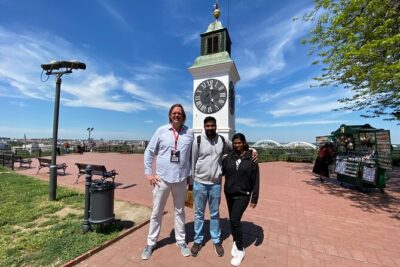
Northern Serbia: Sremski Karlovci and Novi Sad Full-Day Tour from Belgrade
Read our review →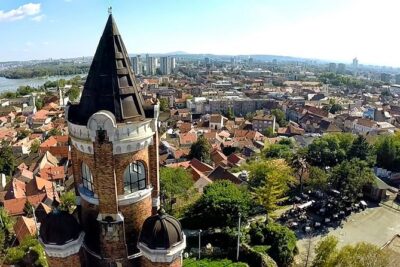
Belgrade Big Tour: Top Attractions and Belgrade Neighborhoods
Read our review →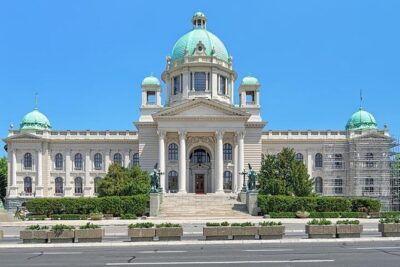
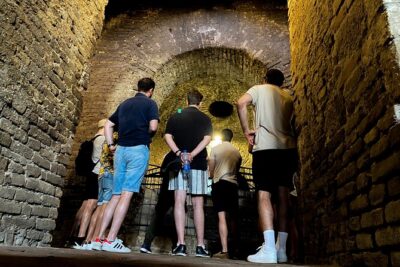
Belgrade Underground Tour w/ Sparkling Wine Along the River
Read our review →
Iron Gate NP Tour with 1-hour speedboat ride + 2 viewpoints
Read our review →
Culinary Tour – get to know the Serbian food. Come hungry!
Read our review →