
Review · FOOD & DRINK
Food Tasting at Locals Favorite Farmers Market in Belgrade
Come hungry, leave with a better map of Serbian food. This 90-minute tasting at Kalenić Farmers Market turns a quick market visit into a guided meal, with stops for hot burek, peppery ajvar, fresh kaymak, ćevapi, pork cracklings, and traditional sweets. I like the close ties to the market vendors, and I like that the guide has been a regular customer here for 15 years. The one drawback is the short format: you get a generous range of tastes, but not much time to browse on your own.
This is a good choice if you want local food without guessing which stall to trust. Guide Ksenija, also called Xenia in some comments, is praised for her friendly manner, humor, and care. The Friday-to-Sunday morning schedule may not suit every itinerary, and some foods, such as čvarci or kaymak, can be quite rich.
In This Review
- Key points before you book
- Why Kalenić Market makes a good food classroom
- The first bite: hot burek from an old bakery
- Ajvar and kaymak, Serbia on two pieces of bread
- Čvarci, the crunchy surprise
- Ćevapi from a local grill
- Two dessert traditions at the market
- What the relaxed pace really means
- Is the $63.44 price fair?
- Who will enjoy this most?
- Booking details and cancellation
- Should you book the Kalenić Market tasting?
- FAQ
- Where does the food tasting start?
- Where does the experience end?
- How long does the tasting last?
- When is the tour offered?
- Is the tour private?
- Is the experience offered in English?
- What foods are included?
Key points before you book
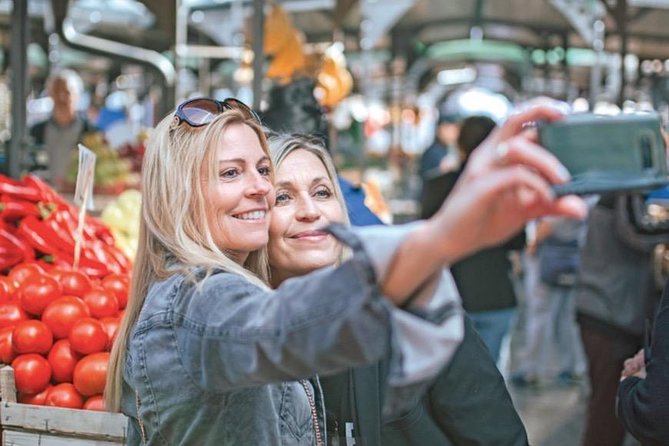
- The route follows real market habits: You move from counter to counter at Kalenić Market rather than eating in one formal restaurant.
- The food makes a full meal: Burek, ćevapi, bread spreads, pork cracklings, and several sweets add up quickly.
- The best stops are family-run: The burek comes from a bakery operating for 80 years, while other tastes come from known farmers and traditional producers.
- The guide adds personal connections: The host has shopped at this market for 15 years and introduces vendors by name.
- It is a private experience: Only your group participates, which helps keep the pace relaxed and personal.
- Morning timing matters: Tours run Friday through Sunday from 9:30 a.m. to noon, and the tasting lasts about an hour and a half.
Why Kalenić Market makes a good food classroom
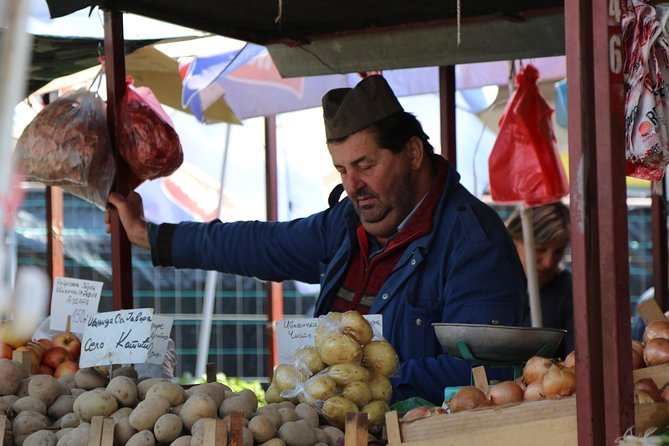
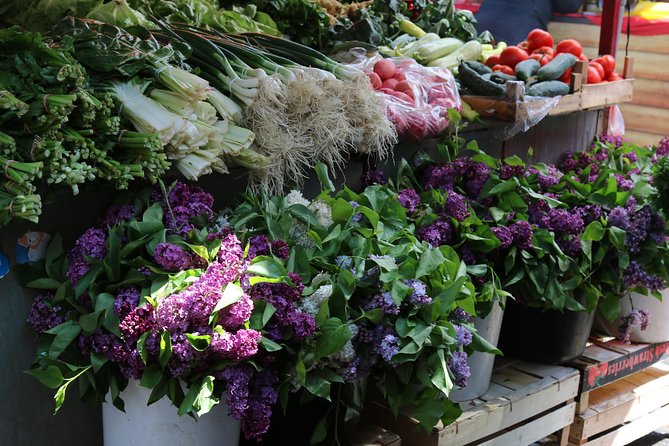
Kalenić is not a staged food attraction built for sightseeing. It is a working farmers market, and the point of the tour is to show you how Serbian food appears in daily life. You walk among stalls, stop for selected bites, and learn how each food connects to a producer, family recipe, or local habit.
That setting gives the meal a useful sense of place. The smells, colors, sounds, and easy exchanges between sellers and regular customers are part of what you are paying for. You are not simply handed a plate of Serbian specialties with no explanation.
The guide’s 15 years as a regular customer also matter. At a market, knowing which stall is best can be more useful than knowing a long list of food facts. The experience is designed around trusted sellers, including farmers and traditional producers known to the guide.
The format is relaxed rather than formal. You do not sit down for a long lecture or follow a tightly packed sightseeing route. Instead, you taste a bite, hear its story, and move to the next counter. That makes this a practical first introduction to Serbian food, especially if you have limited time in Belgrade.
More food tours in Belgrade:
- Food and culture tour in Belgrade
★ 5.0 · 139 reviews - Culinary Tour – get to know the Serbian food. Come hungry!
★ 5.0 · 130 reviews - Eat Like Tito – Gastro Historical Experience
★ 5.0 · 4 reviews
The first bite: hot burek from an old bakery
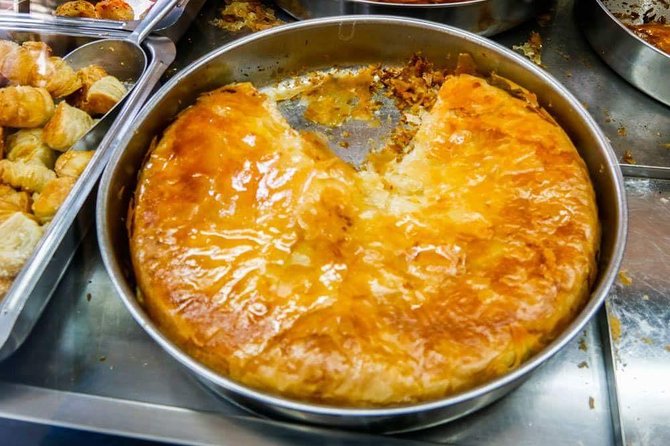
The tasting begins with burek, a layered phyllo pastry filled with meat or cheese. It is served hot, straight from the oven, and comes from a family-owned bakery that has been open for 80 years.
This is a smart opening. Burek is filling, familiar in form but distinctive in texture, and best when fresh. The thin pastry should be crisp on the outside while the filling remains warm and savory. It also gives you a quick lesson in the Serbian habit of treating baked goods as a serious part of the day, not merely a snack grabbed without thought.
You should arrive ready to eat. Even the opening pastry has enough weight to slow you down, and several more substantial tastes follow. If you are choosing between meat and cheese, the menu allows either, though the exact choice may depend on the stop and availability.
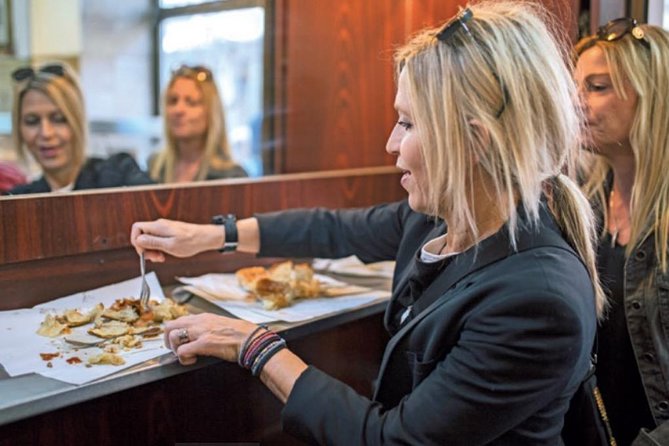
One small practical point: this is a market experience, not a polished restaurant meal. You may be standing or moving between stops, and the appeal comes from eating food where locals buy it. If you want a long seated breakfast, this is the wrong format. If you want a hot pastry from a long-running bakery, it is right on target.
Ajvar and kaymak, Serbia on two pieces of bread
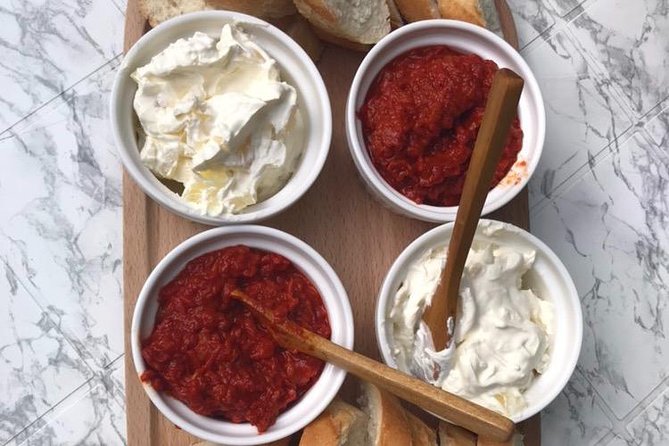
Next come ajvar and kaymak, both served on fresh sourdough bread. These spreads show two very different sides of Serbian food.
Ajvar is made from ground roasted red peppers with sunflower oil and salt. It is smooth, sweet, savory, and mildly smoky, though the balance can vary. The tour stops at a stall known for an awarded ajvar, where you hear about the family recipe. This is the kind of explanation that gives a simple spread more meaning. Ajvar is not just a condiment here. It reflects careful preparation, seasonal produce, and the pride of the people who make it.
If you like it, the tour makes it easy to remember the taste. One person specifically bought a small jar to take home. That is a useful tip, but check your own luggage and food-import rules before carrying food across borders.
Kaymak is a thick dairy spread made from cow’s milk and salt. The sample is described as being skimmed the day before, so it should have a very fresh, creamy character. Served with sourdough, it is simple but rich. I like the contrast: ajvar brings roasted peppers and brightness, while kaymak brings fat, salt, and a soft dairy flavor.
These two stops also show why a market food tour can be better than a generic restaurant tasting. You get to compare ingredients in a plain form, then hear how families and producers preserve them. The drawback is that the creamy foods may feel heavy if you eat quickly. Take small bites and give yourself time.
Čvarci, the crunchy surprise
Čvarci are pork cracklings, made from pork fat and described here as crispy and savory. They can crunch when you bite them, then soften on the palate. For many people, this will be the most unfamiliar item on the route.
This is not a shy food. Čvarci are salty, fatty, and direct. They are served with sourdough bread, which helps balance the texture and flavor. If you enjoy traditional nose-to-tail cooking and hearty snacks, this may be a favorite. If you prefer light food, it may be the one taste you approach cautiously.
That contrast is useful. A good food tour should not offer six versions of the same safe dish. It should show you what local eating really includes, including foods that may not match your usual habits.
The guide can also give this stop context that you would miss from a label or translation. You learn about the role of traditional producers and the work involved in keeping older food customs alive. The experience is not only about finding something delicious. It is also about understanding why it remains on the market counter.
More food and tastings in Belgrade:
- E-Scooter CRAFT BEER and BREWERY Tour
★ 5.0 · 37 reviews - Private Novi Sad, Titanic wine tasting and Farmer’s House
★ 4.5 · 30 reviews - Original Belgrade Pub Crawl with Unlimited Beer
★ 4.5 · 30 reviews - Belgrade Traditional Serbian Brandy Tasting
★ 4.5 · 14 reviews
Ćevapi from a local grill
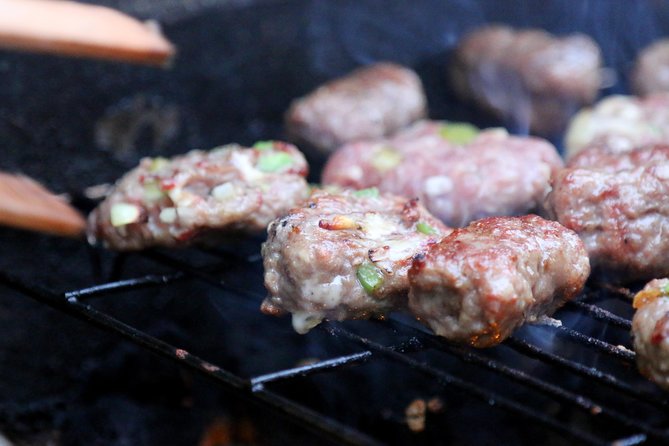
The main savory course is ćevapi, small batons of minced beef cooked on a grill. They are served straight from the grill at a place favored by local customers.
Ćevapi are a central Serbian grill experience, and the timing helps. Fresh from the heat, they should be juicy and savory, with a lightly charred exterior. After burek, bread spreads, and čvarci, this is where the tasting feels most like lunch.
The wording of the menu matters here: the ćevapi are made from minced beef. Serbian grilled meat varies from place to place, and you should not assume every version uses the same blend or seasoning. This stop gives you one local example rather than claiming to represent every Serbian grill.
I also like the order of the food. The tour does not begin with the heaviest meat. It starts with pastry, moves through vegetable and dairy tastes, adds the pork snack, and then reaches the grill. That progression makes the tasting feel planned rather than random.
Still, this is a lot of food in 90 minutes. If you eat a large breakfast beforehand, you may appreciate the flavors less. A light meal before the tour is the sensible plan.
Two dessert traditions at the market
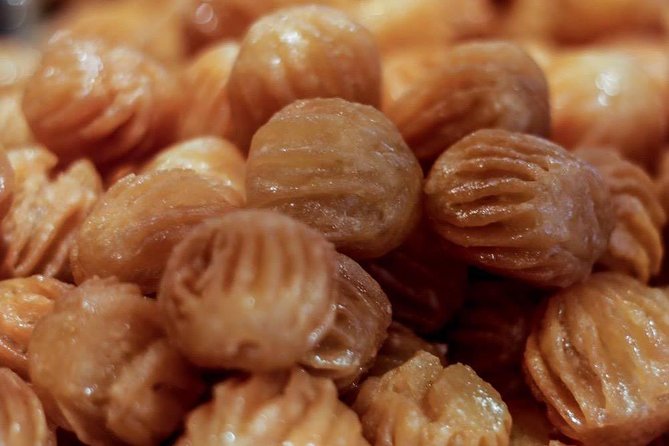
The final tastes move into sweets, but they do not all come from one tradition. The menu lists baklava, urmašica, and kadaif, along with žito, also known as kolyivo.
Baklava, urmašica, and kadaif are made with wheat flour and nuts, then sweetened with agda, a syrup of water, sugar, and lemon. These desserts reflect Ottoman and Middle Eastern influence on Balkan cooking. Expect sweetness, nuts, pastry, and syrup rather than a restrained finish.
Žito is different. It is made from boiled wheat, walnuts, and nutmeg, and is described as rich but not too sweet. You eat it with a teaspoon. Its Orthodox symbolism relates to rebirth, giving the dish a religious and cultural role beyond dessert.
This is one of the strongest parts of the route for anyone who wants context with a meal. You can taste how different traditions sit side by side in Serbian food: grilled meat and dairy on one side, Ottoman-style sweets and Orthodox ritual food on the other.
The description of the experience also names Tito among the foods, but the detailed sample menu does not explain what that item is. If you are especially curious about it, ask the guide when booking or at the start of the tour. The listed dessert selection is clearer and includes baklava, urmašica, kadaif, and žito.
What the relaxed pace really means
The tour lasts about one hour and 30 minutes. That is long enough for a complete series of tastes, but short enough to fit around a morning in Belgrade.
You move from stall to stall instead of following a long city walk. This keeps the focus on food, people, and the market itself. The experience is described as comfortable and laid-back, with time to taste at each counter and learn about the sellers.
The private format is another advantage. Only your group takes part, so you do not have to match the pace of a large party. It should also make it easier to ask about ingredients, recipes, or the best foods to buy for later.
The tour begins and ends at Kalenic, Mileševska 2, Belgrade 11118. It runs Friday through Sunday, with start times listed between 9:30 a.m. and noon. Since the market is part of the experience, arriving at the stated meeting point on time is important. Public transportation is nearby, and the activity is suitable for most people. Service animals are allowed.
The schedule is the main planning limitation. If you are in Belgrade from Monday to Thursday, or if your morning is already filled with museums and sightseeing, this may not fit easily.
Is the $63.44 price fair?
At $63.44 per person, this is not the cheapest way to eat breakfast in Belgrade. You could buy individual market foods for much less if you already know the language, the stalls, and the local favorites.
The value comes from the work done before you arrive. The guide chooses the stops, builds the tasting order, explains the ingredients, and brings you to producers with whom there is an established relationship. You are also getting a private activity rather than joining an unknown large group.
The menu adds up to a proper meal: burek, ajvar, kaymak, čvarci, ćevapi, several syrupy sweets, and žito. The quantity alone helps justify the cost for someone who wants breakfast and lunch in one sitting.
I would see the price as fair for a first visit to Belgrade, especially if you have only a day or two and do not want to spend your limited time guessing. It is less compelling for repeat visitors who already know Kalenić Market and feel comfortable ordering on their own.
Who will enjoy this most?
I would recommend this experience to people who:
- Want a quick, food-focused introduction to Belgrade
- Prefer family producers and market stalls over formal restaurants
- Like trying strong, traditional flavors
- Have a limited schedule
- Want a private outing with a friendly guide
- Enjoy learning the cultural background behind everyday food
It may be less suitable if you need a fully seated meal, avoid pork, dislike dairy-rich foods, or prefer mild and familiar dishes. The menu includes pork cracklings, beef ćevapi, dairy spreads, pastry, nuts, and sweet syrup. Anyone with food allergies should ask about ingredients before eating, since the supplied information does not provide a full allergen list.
The experience is also a good present for Serbian relatives living abroad who miss market food and the atmosphere of a local pijaca. That sense of homeland is part of the appeal, especially for someone who values familiar tastes more than a fancy dining room.
Booking details and cancellation
Confirmation is provided at booking. The experience is offered in English, and free cancellation is available if you cancel at least 24 hours before the start time. Cancellations made less than 24 hours ahead, along with late changes, are not refunded.
Should you book the Kalenić Market tasting?
Book it if you want a compact, personal introduction to Serbian food and value trusted market stops over independent wandering. The strongest parts are the fresh burek from the old bakery, the family ajvar, the just-made kaymak, the local grill, and the chance to taste desserts tied to different cultural traditions.
Skip it if you already know Kalenić Market well, want a long restaurant meal, or cannot make a Friday-to-Sunday morning start. For most first-time visitors with a free morning, the $63.44 cost buys more than food. It buys a confident route through a market you might otherwise pass without understanding.
FAQ
Where does the food tasting start?
It starts at Kalenic, Mileševska 2, Belgrade 11118, Serbia.
Where does the experience end?
The activity ends back at the meeting point.
How long does the tasting last?
It lasts approximately one hour and 30 minutes.
When is the tour offered?
It is offered Friday through Sunday, with opening times listed from 9:30 a.m. to noon.
Is the tour private?
Yes. Only your group participates.
Is the experience offered in English?
Yes. The tour is offered in English.
What foods are included?
The listed menu includes burek, ajvar, kaymak, čvarci, ćevapi, baklava, urmašica, kadaif, and žito, also known as kolyivo.
Just added in Belgrade
- Private Half Day Serbia Tour Novi Sad and Petrovaradin Fortress★ 5.0 · 3 reviews
- Zasavica Bike Tour★ 5.0 · 1 review
- Private Belgrade Street Art and Adventures Walking Tour★ 5.0 · 4 reviews
- Private Wine Tasting by Party in Belgrade★ 5.0 · 3 reviews
- VIP Reservation Service in Belgrade★ 5.0 · 2 reviews
- Urban & Alternative Belgrade tour★ 5.0 · 4 reviews
- Rakija Tasting for groups in Belgrade★ 5.0 · 1 review
- Wonders of Eastern Serbia a Full Day Tour from Belgrade★ 5.0 · 1 review
Food & Drink, compared.
Culinary Tour – get to know the Serbian food. Come hungry!
Read our review →

Private Novi Sad, Titanic wine tasting and Farmer’s House
Read our review →
Novi Sad and Sremski Karlovci private tour with wine tasting
Read our review →
Browse the lists this tour appears in