
Review · YUGOSLAV HISTORY TOURS
Eat Like Tito – Gastro Historical Experience
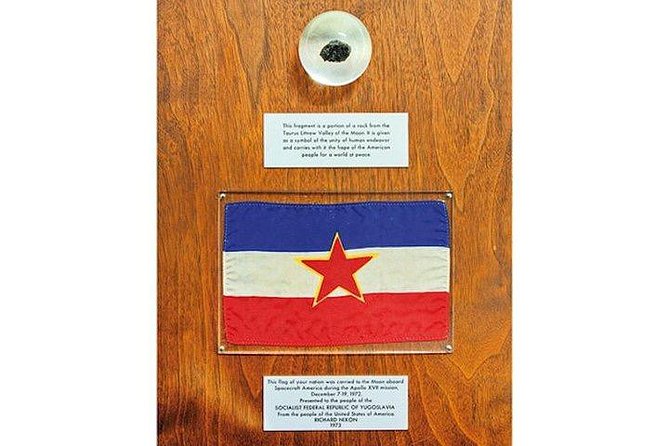
Tito’s story is best served with lunch. The Eat Like Tito experience joins Belgrade’s communist past with two food tastings and a hands-on lesson in making Karađorđe steak. I like the unusual route from Tito’s grave to the kitchen, and I like that the price includes food, drinks, private transport, and a cooking class. The main drawback is the $127.25 price, which may feel high if you want only a museum visit or a standard meal.
This is a private, roughly four-hour tour for visitors who enjoy history with their plate. You must be at least 21, and the schedule includes a stop at the House of Flowers, a meal at a restaurant once owned by one of Tito’s chefs, and cooking in a private garden kitchen. The historical discussion can be thought-provoking, but the experience is not a broad survey of Yugoslav history.
In This Review
- Key things to know before booking
- Starting at the House of Flowers and Tito’s grave
- From public leader to private appetite
- Learning Karađorđe steak in a private kitchen
- Why the Tito and food connection works
- What the private format adds
- Food, drinks, and dietary planning
- The experience’s strongest points and limitations
- Who should book Eat Like Tito
- Should you book this Belgrade food and history tour?
- FAQ
- Where does the Eat Like Tito tour begin?
- Where does the tour end?
- How long does the experience last?
- What food is included?
- Do I get to cook during the tour?
- Is the tour private?
- Is there a minimum age?
- Can I cancel for a full refund?
Key things to know before booking
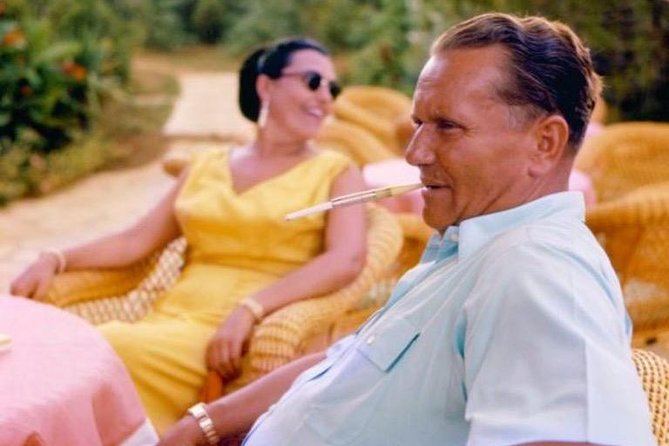
- Tito’s grave starts the tour: You visit the House of Flowers and learn about his public image, birthday celebrations, foreign relationships, and unusual burial wishes.
- Two dishes were created for Tito: Food at Mićina domaća kujna connects his public role with his simpler personal tastes.
- You cook Karađorđe steak yourself: The lesson covers tenderizing, stuffing with kaymak, rolling, frying, and decorating the dish.
- The price includes the meal: Food tastings, lunch, alcoholic drinks, private transport, and the cooking session are included.
- It is a private experience: Only your own group takes part, with a professional art historian guide.
- Plan for at least four hours: The first two stops take about 45 minutes each, followed by a two-hour cooking class.
Starting at the House of Flowers and Tito’s grave
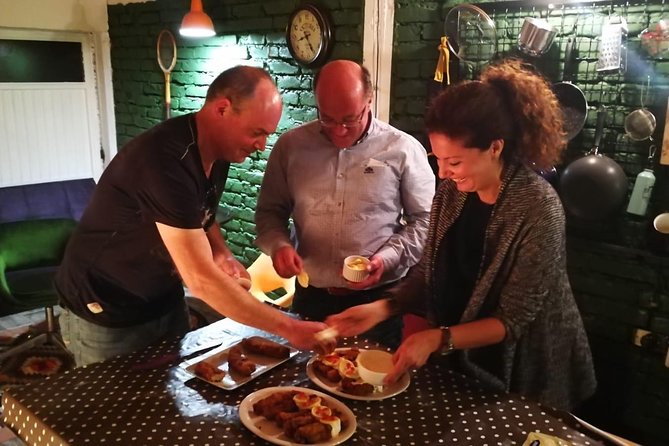
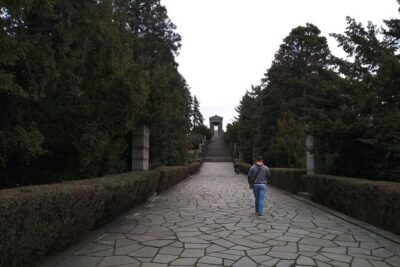
The tour begins at the House of Flowers, the memorial site where Josip Broz Tito is buried. This gives the experience a strong opening because you start with Tito as a public figure before moving toward his private habits and favorite foods.
One of the more curious details concerns the design of Tito’s grave. It resembles the grave of Franklin D. Roosevelt, following Tito’s wishes. That small architectural choice opens a larger question about Tito’s relationship with the United States and the way he presented Yugoslavia to the world.
You can expect about 45 minutes at the site. The guide uses the memorial and its displays to explain the cult built around Tito during his lifetime. His birthday was celebrated as a national holiday for four decades, with events held before crowds of up to 50,000 people in a football stadium. That detail helps you picture the scale of Tito’s public image. He was not simply a government leader whose name appeared in official documents. He became a symbol carefully celebrated in public life.
The discussion also touches on Tito’s connections with world leaders, royalty, and celebrities. These relationships matter because Tito’s image depended partly on his ability to move between political worlds. His personal charm and skill as a host were an important part of how he was remembered.
I like this first stop because it avoids beginning with food as a detached activity. You first get a sense of the man behind the recipes. The site also gives you something concrete to look at while the guide explains the political and social setting.
The possible weakness is that the House of Flowers will appeal most to people already interested in Tito, Yugoslavia, or twentieth-century politics. If your main goal is eating, 45 minutes here may feel like a long introduction. The food portion comes later, so you should book this with an interest in history, not just Serbian cuisine.
More Yugoslav history tours:
- Red Belgrade Communist Tour
★ 5.0 · 78 reviews - Architecture of New Belgrade – Brutalism Decoded
★ 4.5 · 24 reviews - Communist Tour in Belgrade
★ 4.5 · 19 reviews
From public leader to private appetite
The next stop is Mićina domaća kujna, a homey restaurant connected to one of Tito’s former chefs. The business has operated since the final days of communism, which gives the meal a link to the period being discussed rather than treating Tito as a distant historical name.
Here you taste two dishes created by Chef Mića for Tito. The menu is meant to show a less formal side of Tito’s life. Official dinners and state receptions formed one part of his world, but he also enjoyed simple foods connected with his homeland.
That contrast is central to the tour. A powerful leader may be surrounded by ceremony, but food can still be personal and familiar. The setting helps the guide talk about Tito’s private persona, including the very human habits that do not fit neatly into a heroic political image.
The meal is not just a pause between monuments. It acts as a bridge between the first stop and the cooking class. You learn that recipes can carry political stories, family associations, regional identity, and personal memory all at once.
The two tastings are included, as are lunch and alcoholic drinks. That makes the schedule easier to manage because you do not need to budget separately for the food along the way. You should still advise the operator of dietary requirements when booking. The supplied details do not specify substitute menus, so it is best to ask rather than assume.
I especially like the balance here. The experience does not present Tito only as a stern communist figure. It also does not reduce him to a lovable food lover. Instead, the meal gives you a way to consider the gap between public power and private preference.
Learning Karađorđe steak in a private kitchen
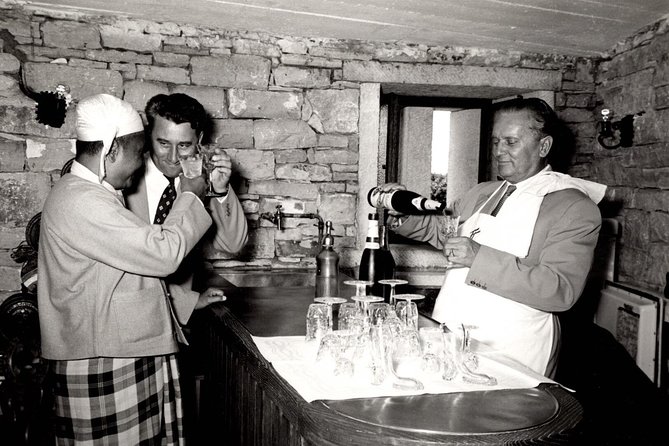
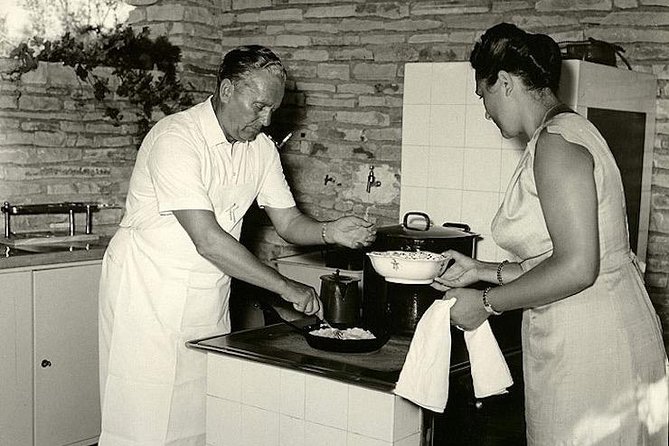
The final portion lasts about two hours and takes place in a comfortable kitchen set in the green garden of your host’s private home. A cooking class in a home setting feels more personal than simply ordering the finished dish at a restaurant. It also gives you time to ask questions and work at a relaxed pace within your own private group.
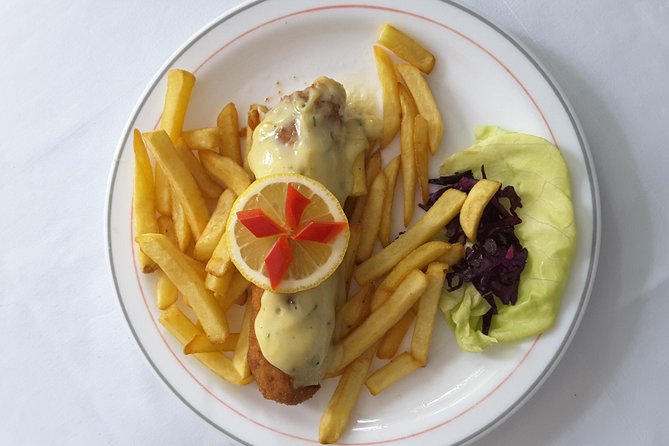
The focus is Karađorđe steak, one of Serbia’s best-known meat dishes. The recipe is associated with Chef Mića and helped bring him to Tito’s attention. The dish later became a star of Serbian cuisine, especially for people who enjoy hearty meat dishes.
You work through the recipe in stages:
- Softening the meat
- Filling it with kaymak
- Rolling the steak
- Frying it
- Decorating it in a way connected to its symbolic meaning
- Serving it with fresh salad and oven-baked potatoes
The class is valuable because you do not simply hear the name of a Serbian specialty and then eat it. You see how the dish is assembled and gain a better sense of the labor behind it. The kaymak is especially important because it gives the steak its rich filling, while the rolling and frying require more care than a basic grilled meat dish.
The meal becomes a complete lunch with potatoes and salad. Food and alcoholic drinks are included, so the cooking session is not an extra-cost demonstration followed by a separate restaurant bill.
The cooking class also adds a social side to the experience. A private kitchen, a garden setting, and a small group create room for conversation and laughter. One account of the class describes an afternoon in Zemun with Ksenija and Vlad, filled with local dishes, drinks, and humor. Their hosting style was praised for making the session both fun and interesting.
You should not expect a professional chef certification or a long culinary course. This is a cultural cooking experience, designed to help you make one famous Serbian dish while hearing the story behind it. If you want advanced knife skills, multiple recipes, or a formal cooking curriculum, this tour may not go far enough.
Why the Tito and food connection works
Many history tours explain events through dates and buildings. This one uses food to make the subject more personal. You hear about Tito at his grave, then taste recipes linked to his private life, then prepare a dish connected to one of his chefs.
That order matters. The first stop presents Tito as a national symbol. The second presents him as someone with preferences and habits. The third lets you take part in a Serbian food tradition that grew out of that connection.
The format also gives you a more balanced way to think about controversial history. Tito remains a divisive figure, and the experience does not need to settle every question about him to be useful. Food can prompt discussion without pretending that a meal explains an entire political era.
The museum visit may hold your attention more than you expect, particularly if the guide tells the stories with energy. One account described being so focused on the museum that the surrounding crowd became easy to ignore. That is a useful sign for anyone worried that the historical section will feel dry.
At the same time, you should keep your expectations realistic. This is a four-hour introduction built around Tito and food. It is not a full study of Yugoslav communism, the breakup of Yugoslavia, or Belgrade’s wider twentieth-century history.
More history tours in Belgrade:
- History and Culture in my Belgrade
★ 5.0 · 41 reviews - NATO Bombing of Belgrade Historical Tour
★ 5.0 · 17 reviews - Football tour: Red Star and Partizan Ultras History
★ 5.0 · 14 reviews - Tito and History Vintage Car Tour
★ 5.0 · 11 reviews
What the private format adds
Only your group participates, and a professional art historian guide leads the experience. That private setup is useful when you want to ask direct questions or spend more time on a subject that interests you.
Private transport is included, which matters because the experience has several stops and finishes at Bregovita in Belgrade rather than returning to the starting point at the House of Flowers. You do not need to work out the route between the memorial, restaurant, and cooking location yourself.
The meeting point is the House of Flowers, and the end point is Bregovita. Check both locations before booking so you understand where the experience begins and where you will need to continue your day afterward.
The mobile ticket is convenient for a day of sightseeing. Confirmation is sent within 48 hours of booking, subject to availability. The activity is near public transport, but private vehicle transport is part of the tour, so you are not expected to handle every transfer independently.
The private format can also make the price easier to justify for a small group. At $127.25 per person, this is not a budget food walk. But you are paying for a guide, private transport, entry to the House of Flowers, food tastings, lunch, alcoholic drinks, and two hours of instruction. If you would otherwise book a museum visit, a restaurant meal, and a cooking class separately, the combined price looks more reasonable.
For a solo visitor or someone mainly seeking a cheap lunch, the value is weaker. For a couple, family group of adults, or friends who want one organized cultural outing, the package offers more.
Food, drinks, and dietary planning
All food is included, which is one of the tour’s practical strengths. You taste two dishes at the restaurant and then eat the Karađorđe steak you help prepare, along with salad and baked potatoes.
Alcoholic beverages are also included. That suits the meal-centered atmosphere, but the minimum age is 21, so this experience is not designed for younger visitors. The minimum age should be treated as a firm booking condition.
Dietary requirements must be provided when you book. The listed meal centers on meat, kaymak, and fried preparation, and no specific vegetarian, vegan, gluten-free, or allergy-friendly alternatives are promised. If you have restrictions, contact the operator before payment or as soon as you book.
The food side is best for someone comfortable trying traditional Serbian dishes and eating a substantial meal. The description does not provide a full menu or portion sizes, so you should not book expecting a precise tasting itinerary.
The experience’s strongest points and limitations
The strongest feature is its balance of information and enjoyment. The guides are described as warm, energetic, and able to keep the afternoon light without losing the historical thread. Ksenija and Vlad are specifically praised as welcoming hosts during the cooking portion.
Another strength is the sense of discovery. This is not a standard city walk that checks off a fortress, church, and main square. It takes you to a memorial site, a restaurant connected to Tito’s kitchen, and a private cooking space.
The cooking class earns special praise because it is active. You are not only watching someone prepare a local dish. You soften the meat, add the kaymak, shape the roll, fry it, and decorate it.
The main limits are clear:
- The cost is high for a half-day activity.
- The history section focuses tightly on Tito.
- The food is centered on meat and may not suit every diet.
- The experience begins at one location and ends at another.
- The tour has a minimum age of 21.
- The cooking class is focused on one main recipe rather than several dishes.
Those limits do not undermine the experience, but they should guide your decision. You will get the most from it if you like focused themes and prefer a personal afternoon to a broad city tour.
Who should book Eat Like Tito
I would recommend this experience to food-focused visitors who also want historical context. It works particularly well for people who have already seen Belgrade’s main sights and want an afternoon with a more unusual structure.
It also suits anyone curious about Tito’s public image and private life. The House of Flowers offers the political and symbolic setting, while the recipes and stories at Mićina domaća kujna offer a more intimate angle.
Book it if you value:
- A private guide and private transport
- A meal tied to local history
- A hands-on Serbian cooking lesson
- A small-group or private setting
- A focused look at Tito rather than a general Belgrade overview
You may want to skip it if you are vegetarian, under 21, watching your budget, or looking for a full city tour. You should also think twice if you dislike meat-heavy meals or prefer to spend four hours seeing several major landmarks.
Cancellation is free up to 24 hours before the start time. Cancel at least a day ahead for a full refund. Changes or cancellations made less than 24 hours before the start time are not accepted for a refund.
Should you book this Belgrade food and history tour?
Book Eat Like Tito if you want a memorable link between Serbian food and Yugoslav history, and if $127.25 fits your budget. The combination of the House of Flowers, Tito-related dishes, private transport, and a Karađorđe steak class gives you more than a basic meal or museum visit.
Skip it if you want a low-cost food walk, a broad political tour, or a menu with clearly listed dietary alternatives. For the right audience, though, the unusual route and friendly cooking session make this one of Belgrade’s more distinctive half-day experiences.
FAQ
Where does the Eat Like Tito tour begin?
The experience begins at the House of Flowers in Belgrade, Serbia.
Where does the tour end?
The tour ends at Bregovita in Belgrade.
How long does the experience last?
It lasts approximately four hours. The House of Flowers visit takes about 45 minutes, the restaurant stop about 45 minutes, and the cooking class about two hours.
What food is included?
You receive two tastings at Mićina domaća kujna, lunch, the Karađorđe steak you prepare, fresh salad, oven-baked potatoes, and alcoholic beverages.
Do I get to cook during the tour?
Yes. You learn to prepare and decorate Karađorđe steak, including softening the meat, stuffing it with kaymak, rolling it, frying it, and decorating it.
Is the tour private?
Yes. Only your own group participates in this private tour or activity.
Is there a minimum age?
Yes. The minimum age is 21.
Can I cancel for a full refund?
Yes. You can cancel at least 24 hours before the experience start time for a full refund. Cancellations or changes made less than 24 hours before the start time are not accepted for a refund.
More Food Tours in Belgrade
- Food and culture tour in Belgrade
★ 5.0 · 139 reviews - Culinary Tour – get to know the Serbian food. Come hungry!
★ 5.0 · 130 reviews - Food Tasting at Locals Favorite Farmers Market in Belgrade
★ 5.0 · 16 reviews - E-Scooter Serbian Food Tour
★ 5.0 · 3 reviews
Just added in Belgrade
- Private Half Day Serbia Tour Novi Sad and Petrovaradin Fortress★ 5.0 · 3 reviews
- Zasavica Bike Tour★ 5.0 · 1 review
- Private Belgrade Street Art and Adventures Walking Tour★ 5.0 · 4 reviews
- Private Wine Tasting by Party in Belgrade★ 5.0 · 3 reviews
- VIP Reservation Service in Belgrade★ 5.0 · 2 reviews
- Urban & Alternative Belgrade tour★ 5.0 · 4 reviews
- Rakija Tasting for groups in Belgrade★ 5.0 · 1 review
- Wonders of Eastern Serbia a Full Day Tour from Belgrade★ 5.0 · 1 review
Yugoslav History Tours, compared.

Architecture of New Belgrade – Brutalism Decoded
Read our review →

Private 4 Hours Space Architecture Tour in Belgrade
Read our review →Browse the lists this tour appears in